A patio can have nice furniture, attractive paving, and plenty of room to sit, yet still go unused on cool evenings. Sometimes, adding a fire pit is what makes the space worth spending time in. The tricky part is deciding which kind belongs in your yard.
Some homeowners would want a modest gas flame beside a pair of chairs. Others see a stone fire pit where family members can gather or a long fire table to pair with an outdoor lounge. These are very diverse arrangements, and the ideal one depends on your property, how you entertain, and how much work you’re prepared to put into keeping it.
When comparing outdoor fire pit designs, think beyond the shape of the burner. Consider the available space, the fuel source, the materials around the fire, and the way people will move through the patio. Homeowners in Doylestown, Pennsylvania, should also consider rain, freezing temperatures, and the local rules that apply to outdoor fires.
Here are five designs worth exploring before you make a decision.
1. Minimalist Gas Fire Bowls

A gas fire bowl is a good place to start if you want a fire feature without rebuilding your backyard. Most have a rounded body and a burner set into the top. Some sit close to the ground, while others have a raised base that brings the flame nearer to seated guests.
The shape is simple, which makes the bowl easy to pair with existing patio furniture. A charcoal concrete finish can work with gray pavers and contemporary siding. Black metal suits a more industrial look, while a lighter stone-like finish can blend into a garden with natural materials.
Space is where this design earns its place. You don’t necessarily need a large yard or a permanent seating wall. A small paved area with a few well-positioned chairs may be enough, provided the required clearances are available. For homeowners who already have a patio they like, a fire bowl can be easier to incorporate than a major built-in feature.
Gas is convenient when you don’t want to store logs or clean out a firebox. Depending on the model, the unit may use natural gas or propane. Those options involve different connections and installation considerations, so choose the fuel source before settling on the location.
There is still maintenance to think about. Leaves, dust, and rain can affect outdoor equipment, and the burner and ignition components need care according to the manufacturer’s instructions. In Pennsylvania, check how the finish will hold up through damp weather and winter conditions.
The downside is a gas bowl doesn’t deliver the same experience as a wood fire. There is no crackling of burning logs, and the wind may interfere with the flame. You will also need a suitable fuel supply and an installation that complies with the specifications of the product.
2. Built-In Stone Fire Pits
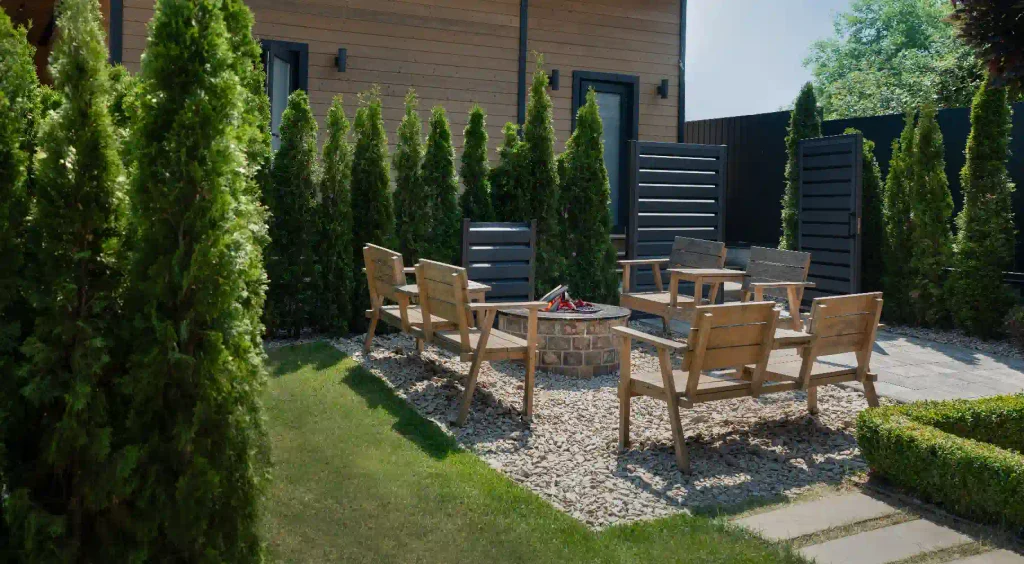
A built-in stone fire pit changes the way a backyard is organized. Instead of moving a portable unit around, you create a permanent place for people to gather. The pit might sit in the middle of a paved area, along the edge of a lawn, or beside a group of outdoor chairs.
Round shapes tend to feel informal and work well with separate seats around the fire. If the lines of a patio are straighter, square and rectangular forms may work well, especially if the paving and garden beds are laid out the same way.
Natural stone, brick, and manufactured stone veneer offer different appearances. You can choose a finish that matches the exterior of your home or deliberately contrast it with the surrounding paving. However, the materials used inside and directly around the fire need to be appropriate for the heat involved. Ordinary decorative stone isn’t automatically suitable for a firebox.
This option deserves serious consideration if you have an established backyard and know where you want the seating area to remain. It can work with traditional Pennsylvania homes as well as newer properties with contemporary landscaping.
Fuel choice makes a significant difference. With wood you need a place to keep logs dry, a plan for ash removal, and an idea of how smoke and sparks could influence neighboring regions. A gas version often cuts the routine cleanup, but it still requires correct installation and occasional upkeep.
Think about the surrounding space before deciding on the size of the pit. A large structure can look out of place on a narrow patio, and seating that’s too close can make the area uncomfortable or unsafe. Leave room for people to walk around without passing unnecessarily close to the flame.
Main downside is that is permanent. Once the brickwork is in, moving the fire pit can involve demolition and repairs to the surrounding patio. If you are doing a bespoke build, check out our custom fire pit installation services before you break ground. It’s easier to arrange the fire pit, paving and seating when the project is still in the planning stages.
3. Linear Gas Fire Tables
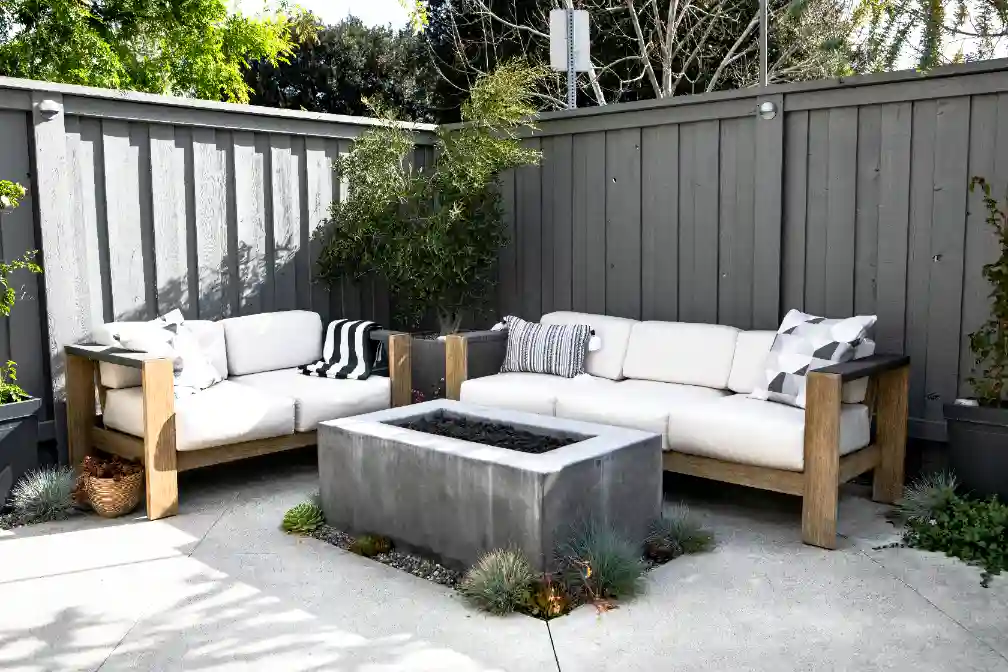
A linear fire table suits a different kind of outdoor space. Its long, rectangular shape works naturally with a sectional sofa or a row of lounge chairs. Rather than gathering everyone around a central bowl, you can arrange the seating along the length of the flame.
These tables come in a range of finishes, including concrete, aluminum, steel, and outdoor-rated composite or stone-look surfaces. A dark table can complement modern architecture, while a lighter finish may work better with pale paving and neutral furniture.
Picture a patio with sliding doors leading from the living room. A rectangular fire table can help establish a separate sitting area without requiring a built-in masonry structure. It’s also an option for homeowners who entertain regularly and want the outdoor furniture to feel arranged rather than scattered.
The downside becomes clear when space is tight. A long table can interrupt the walking route between the house and the garden, particularly if the patio already contains a dining set. Before buying one, mark out the table’s footprint and the furniture around it. Make sure people can move between seats without squeezing past the fire feature.
Gas is commonly used for this style. Depending on the unit, it may connect to a natural gas line or use propane. The table must be installed and operated according to its instructions, including any requirements for ventilation, overhead clearance, and nearby combustible materials.
Cleaning generally involves keeping the tabletop and burner area free of debris. Don’t assume the entire surface is suitable for drinks, plates, decorations, or blankets; follow the manufacturer’s guidance about safe use around the flame.
Cold and wet weather deserve attention, too. Ask whether the unit can remain outdoors year-round and whether a specific cover or seasonal storage is recommended. Our fire pit maintenance guide can provide additional advice on caring for an outdoor fire feature.
A fire table makes sense when the furniture arrangement is already clear. If you frequently rearrange your patio or need the floor space for other activities, a smaller bowl or portable unit may be easier to live with.
4. Sunken Fire Pit Lounges
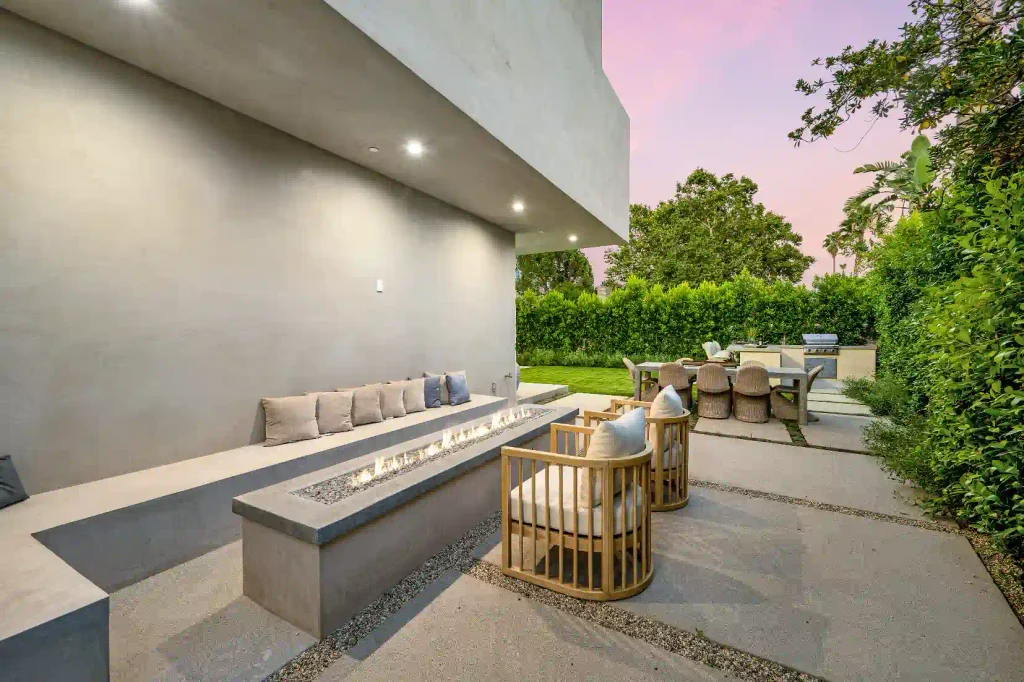
A sunken fire pit lounge creates a dedicated gathering area with seating positioned below the surrounding patio or yard. There’s a bit of a sunken area in the yard (below ground or patio level) with steps down to a dining area. Built-in benches or outdoor sofas around the fire give the area a distinct individuality.
This design needs room. along with the seating itself, you must account for the steps, retaining walls, drainage, and safe placement of the fire feature. It’s generally better suited to a larger backyard than a compact patio.
Stone retaining walls can help connect the patio to an existing environment. Concrete and wide format paving are a good choice for contemporary homes and removable outdoor cushions make built in benches more comfy. Lighting surrounding the steps helps people see changes in level after dark but is not a substitute for safe access and good planning.
The construction is what separates this design from the other four. Excavation and retaining walls need to be planned alongside drainage and the surrounding ground conditions. In Doylestown, heavy rain and freezing weather make water management especially worth discussing before work begins.
The fire itself needs careful consideration. Smoke from a wood-burning pit may behave differently in a recessed space, so don’t assume that lowering the seating area will improve the experience. A gas appliance may be suitable for some layouts, but it must have the ventilation and clearances required by its manufacturer.
Maintenance is more than just the burner or fire box. Leaves can collect around corners, water must be able to flow freely and eventually masonry cracks and paving may require maintenance. Cushions need protection too when the weather gets damp or chilly.
There is a practical issue people sometimes overlook: access. Steps may be inconvenient for guests with limited mobility, and children need supervision around the fire and changes in elevation.
A sunken lounge can make sense when you’re planning a complete landscape project. If you simply want somewhere to enjoy an evening fire, the additional excavation and construction may be more than your yard needs.
5. Portable Fire Pits
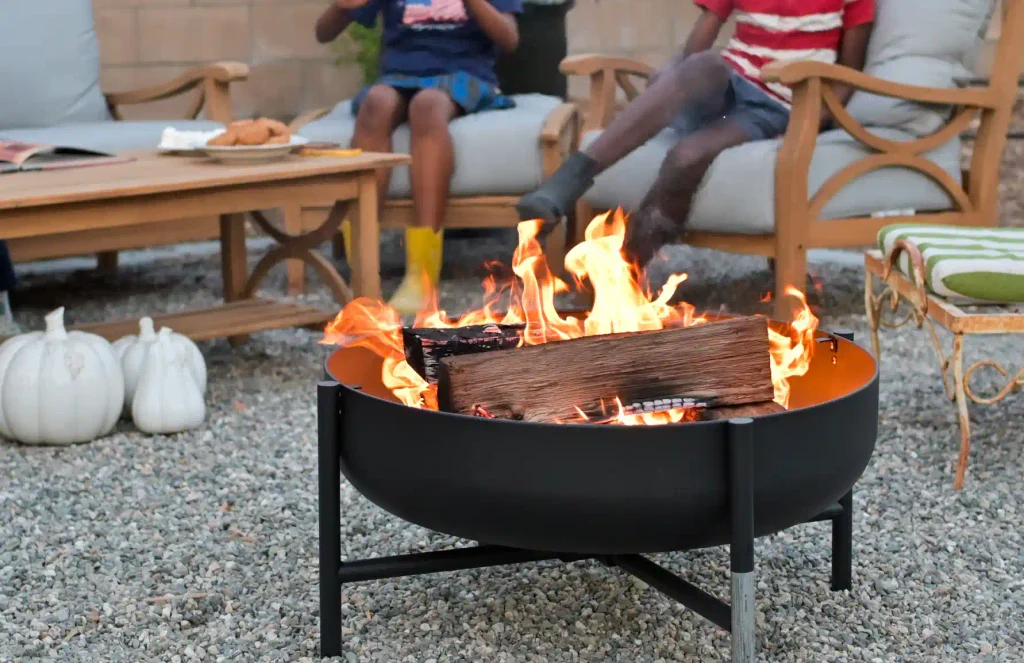
Not every backyard needs a permanent fixture. Portable fire pits allow you to add a fire element without the commitment of masonry or a remodel of your patio. Some are just plain steel bowls, others have raised bases, spark screens or tiny gas burners.
Materials for portable units include steel , stainless steel and cast iron. They also depend upon the construction of the goods, the protective finish on the product, the amount of weather to which it is subjected and the upkeep. Where you store your metal fire pit is important because if you leave it out, unprotected, in a moist place, it may corrode. Check the care guidelines from the manufacturer.
Portable variants are handy for small patios and simple sitting spaces.They are also a practical option for homeowners who don’t want to make permanent changes to their landscaping. A compact unit may be easier to store while not in use, but weight and storage requirements will vary.
Here fuel matters just as much as it does with built in designs. Wood-burning models emit ash, sparks, and can blow smoke to neighboring dwellings. Gas models do not need wood ash, but do need the right fuel connections and procedures for management.
Just because a fire pit is portable doesn’t mean you can use it anyplace. All surfaces, contiguous buildings, furnishings and overhead space must be appropriate to the individual unit. A portable model isn’t necessarily safe on a wooden deck, and dragging a hot fire pit can cause burns or harm the area underneath it.
The major disadvantage is that portable designs don’t integrate into the landscape like a custom-built element. Between usage, you may also need to bring the unit inside or safeguard it, depending on the design of the item and the manufacturer’s recommendations.
That said, if you’re more into the flexibility than a permanent seating arrangement, a portable fire pit is worth it. Pick one that can be used securely where it will be utilized, not just because it looks nice in a product photo.
How to Choose the Right Fire Pit for Your Home
Start with your actual outdoor space. A fire pit may look small in a photograph, but once you add chairs, a table, and walking room, the layout can change considerably. Measure the area and account for all required clearances before choosing a model.
Then consider how you want to use it. If you usually sit outside with two or three people, a gas bowl may be enough. a sectional and a larger entertaining area might suit a linear fire table. A stone pit works well when you’re ready to create a permanent gathering point, while a sunken lounge belongs in a more extensive landscape plan.
Fuel choice should be made early. Gas can make starting and cleanup easier, but it needs to be supplied and installed properly. Wood is a different sensation, but it adds smoke, sparks, ash and firewood storage to the mix. Local laws may limit your options.”
Budget for the whole project, not just the appliance. Depending on the design, you may require paving, masonry, excavation, drainage work, or gas-line installation. Don’t just accept the cost of the fire pit itself, ask for an estimate based on your property and the work involved.
Finally, verify your local rules. Requirements may vary across Doylestown Township, Doylestown Boro and other neighboring municipalities. Before you purchase equipment or start work, make sure to check what is authorized at your location and what permits are necessary.
If you are thinking about a custom build, check out our past fire pit projects for a great overview of your installation alternatives. Plan the fire feature with the patio and chairs so you can resolve placement, utilities and safety issues before the work starts.
Fire Pit Safety: What to Check Before Installation
A safe location matters more than a particular shape or finish. Keep the fire pit away from house siding, wooden decks, railings, outdoor furniture, branches, and roof overhangs by following the clearances specified for your model and required by local rules. There isn’t one distance that applies to every type of fire feature.
Wind is another consideration. Strong gusts can push flames toward nearby objects or carry embers beyond the fire pit. Smoke may also drift toward your home or a neighbor’s property. Don’t use the fire pit when conditions make safe operation difficult.
Gas installations need the correct setup for the appliance and fuel source. Custom enclosures must provide the ventilation required by the manufacturer, and propane cylinders and gas connections must be handled according to the product instructions. Never alter the enclosure or block ventilation openings to improve the appearance.
Before construction, contact your municipal office or local fire official to ask which rules apply. The Doylestown Township open-burning ordinance is one starting point for homeowners researching local requirements. Check separately if your property is within Doylestown Borough, since local rules may differ.
Keep children and pets away from an operating fire, never leave it unattended, and follow the manufacturer’s shutdown and extinguishing instructions. A fire feature should be planned around the people using the patio, not added wherever there’s a spare patch of ground.
Frequently Asked Questions
Is a gas or wood fire pit better for a small backyard?
Some people might prefer a small gas fire bowl to look after, as there’s no need to store firewood or wipe out the ashes. If you have enough room in your yard and it is allowed by local ordinances, a portable wood burning pit can also do the trick. Smoke, sparks, ventilation and clearances should be the basis for the decision.
Can I put a fire pit on a wooden deck?
Only if the specific model is approved for that use and the deck arrangement meets the manufacturer’s and local requirements. Heat and embers can damage combustible decking. A protective mat alone doesn’t guarantee a safe installation.
Do I need a permit for a fire pit in Doylestown, PA?
Depending on where you are exactly and what kind of fire pit. Permanent installations may require other approvals and boro and township ordinances may vary. Before you begin construction or purchase equipment, contact the appropriate municipal office.
How far should a fire pit be from the house?
The amount of clearance needed will vary on the appliance, fuel, installation and local codes. Check your manufacturer’s instructions and local codes for distances from walls, decks, furniture, branches and overhead structures. Just don’t trust some other model’s generic measurement.
Which outdoor fire pit design needs the least maintenance?
Gas fire bowls and linear gas fire tables often require less routine cleaning than wood-burning versions as they don’t produce wood ash. Gas fire bowls and tables still need regular cleaning and periodic inspection. Masonry and drainage may also require frequent care to stone constructions.
Plan Your Backyard Fire Pit with FirePit Service Group
The right fire pit isn’t necessarily the biggest one or the most elaborate design. It’s the one that fits your yard, works with your seating, and suits the way you want to spend time outdoors.
FirePit Service Group designs and installs custom fire pits for homeowners who want a practical, well-planned outdoor living space. We can help you compare designs, materials, fuel options, and installation needs before you commit to a project.
If you’re planning a new patio or thinking about adding a fire feature to an existing one, let’s discuss what will work for your property.
Call us at +1 610-986-6817 or use our contact form.