A fire pit can turn an ordinary backyard into a comfortable place to relax, entertain guests, and enjoy cool evenings outdoors. But before choosing a design, most homeowners want to know one thing: how much does fire pit installation cost?
The answer depends on the type of fire pit you want, the materials you choose, and the amount of work your yard needs. A simple portable-style setup may cost very little to put together, while a custom-built stone fire pit with a gas line, seating area, and patio can become a much larger project.
For homeowners in the Lehigh Valley, Pennsylvania, the local property layout, ground conditions, fuel source, and applicable requirements can also affect the final price.
Let’s break down the typical costs, explain what affects your estimate, and look at ways to plan a fire pit that fits your backyard and budget.
What Is the Average Fire Pit Installation Cost?
The cost of installing a fire pit varies a lot because not every project calls for the same materials and labor. A simple wood-burning fire pit is generally cheaper than a permanent gas fire feature that involves custom masonry work and professional utility hookups.
The following figures are general U.S. planning estimates, not quotes for a specific Lehigh Valley property. Actual prices can vary by contractor, project complexity, and material availability.
| Fire pit type | Estimated installed cost |
|---|---|
| Basic prefabricated fire pit | $300–$1,000 |
| Permanent wood-burning fire pit | $500–$2,500 |
| Prefabricated gas fire pit | $1,000–$3,500 |
| Custom stone or brick fire pit | $1,500–$5,000 |
| Custom gas fire pit with masonry | $2,500–$7,000+ |
| High-end outdoor fire feature with surrounding hardscape | $5,000–$15,000+ |
These ranges are broad budgeting guides. Some projects may fall below or exceed them, especially when extensive excavation, premium materials, new gas connections, or major patio work is involved
Simple installation on an existing patio may need minimal site preparation. A similar fire pit on a sloped lawn may require excavation, a compacted base, drainage improvements and more labor.
The first thing you need to do is decide how you’re going to use your firepit. A tiny feature for casual family evenings is not the same as a permanent outdoor entertaining space built for larger gatherings.
What Factors Affect Fire Pit Installation Cost?
Two fire pits that look similar can have very different installation prices. The difference often comes down to the work required beneath and around the finished feature.
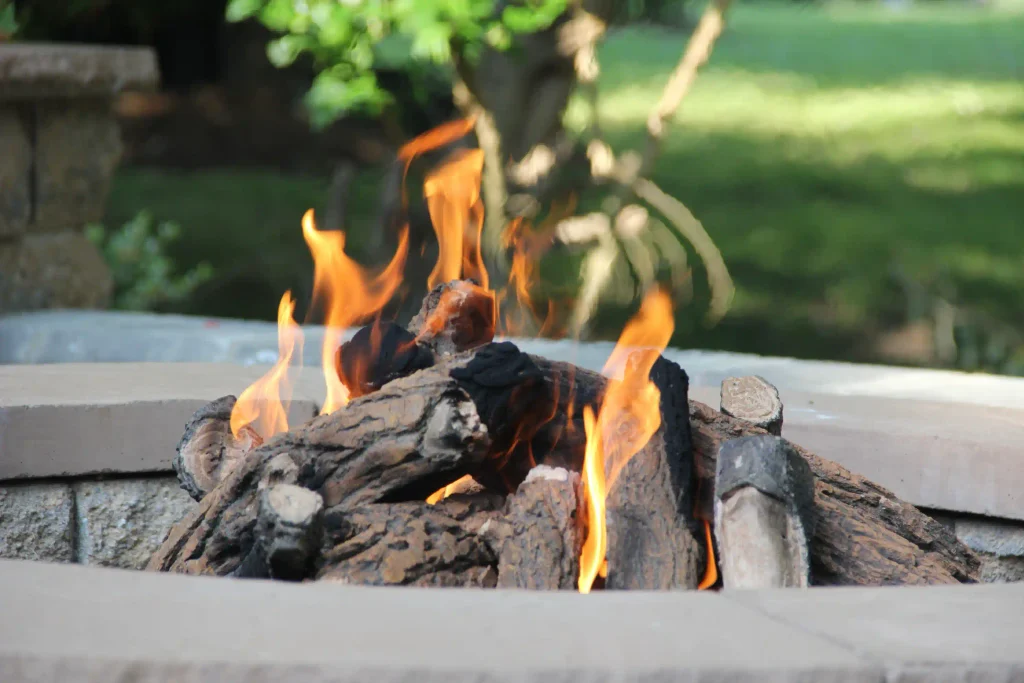
1. Fire Pit Materials
The material you choose affects both the upfront price and how the fire pit holds up over time.
- Concrete blocks: A practical option for homeowners who want a straightforward, permanent design.
- Brick: Works well with traditional homes and established landscaping. The fire-facing interior must use suitable heat-resistant materials.
- Natural stone: Offers a distinctive appearance but can cost more because of material selection and masonry labor.
- Metal: Often suitable for prefabricated fire pits and contemporary outdoor spaces.
For Lehigh Valley homes, consider how the material will look alongside your existing patio, retaining walls, and exterior finishes. Spending more on stone doesn’t automatically make a fire pit better; proper construction and suitable materials matter just as much.
2. Wood-Burning vs. Gas Fire Pits
Your choice of fuel affects installation complexity, daily use, and maintenance.
Many homeowners appreciate the traditional crackling fire that a wood-burning fire pit provides. But you will need a supply of firewood, a location to store it and a plan to deal with ash and smoke.
Gas fire pits offer convenient ignition and more control over the flame. A propane model may use a dedicated tank, while a natural gas model can require a new gas line and professional connections.
Natural gas installations can become significantly more expensive when the connection point is far from the fire pit. Ask your contractor to identify gas-line work separately on the estimate rather than treating it as a minor extra.
3. Site Preparation and Ground Conditions
The condition of your backyard can make a noticeable difference to the final price.
Before starting construction, an installer might need to cut out grass, dig up soil, level the ground, compact a base or upgrade drainage. Uneven terrain, poor access and removal of existing landscaping can increase to labor and equipment costs.
Weather in Pennsylvania is another practical consideration. Before construction starts, it’s important to address proper drainage and a stable foundation in the light of rain, snow and temperature differences with the seasons.
4. Labor and Custom Design
Generally, a basic fire pit kit is less effort than a specialized masonry installation. You can customize a project to include things like a curving stone wall, beautiful capstones, a built-in burner or seats to match.
The more detailed the design, the more time the installer may need for measuring, cutting, fitting, and finishing.
Ask for a written estimate that separates materials, labor, site preparation, gas or electrical work, and cleanup. This makes it easier to compare contractors fairly.
How Much Does a Patio With a Fire Pit Cost?
If you want more than a standalone fire pit, you may decide to build an outdoor living area around it.
A new patio, built-in seating, pathways, and outdoor lighting can add thousands of dollars to the project. The exact price depends on the patio’s size, surface material, drainage needs, and the complexity of the fire pit.
For example, a homeowner with an existing paver patio might only need a fire pit installed in a suitable location. Someone starting with an uneven grass lawn may need excavation, a patio base, pavers, and landscaping before the fire pit can be built.
To keep costs under control, decide which features you need now and which can wait. You could install the fire pit and basic patio first, then add permanent seating or landscape lighting later.

Can You Install a Fire Pit Yourself?
A DIY installation can save money on labor, especially if you’re assembling a suitable prefabricated kit on an existing, properly prepared surface.
However, not every fire pit is a good DIY project.
You should consider professional installation when the project involves:
- A permanent stone or brick structure.
- Significant excavation or grading.
- A natural gas connection or electrical ignition.
- A new patio or complicated drainage work.
- Uncertainty about local fire safety requirements.
Gas connections should be handled by qualified professionals. Improper installation can create serious fire and gas-leak hazards.
Before buying materials, also confirm that your chosen design is allowed where you live. Pennsylvania municipalities can have different rules for outdoor burning. For example, Bethlehem restricts solid-fuel fire pits and allows qualifying propane or natural gas outdoor fireplaces under specified conditions.
City of Bethlehem
Fire Pit Safety and Local Requirements in the Lehigh Valley
Check the requirements of your municipality before you begin. The rules in Bethlehem may be different than in Allentown, Easton or even a neighboring township. The Pennsylvania Department of Conservation and Natural Resources suggests residents check with local authorities about burning restrictions, because county and municipal rules might apply in addition to broader burn bans.
Pennsylvania Government
Here are a few things to confirm before choosing a design:
- Whether wood-burning or gas fire pits are permitted.
- Required distances from buildings, property features, and combustible materials.
- Whether a permit or inspection is necessary.
- Restrictions during dry weather or temporary burn bans.
- Safe placement away from overhanging branches, fences, and outdoor furniture.
Don’t assume a portable fire pit is automatically permitted just because it doesn’t require permanent construction. Check the applicable rules before purchasing one.
How to Keep Your Fire Pit Installation Cost Under Control
You don’t have to choose for the cheapest products to make your budget work. Better to invest money where it matters: safety, durability and everyday use.
Get a practical size. An large feature that occupies much of the yard is usually less beneficial than a fire pit that can comfortably fit your family.
Work with your existing layout. Using an appropriate existing patio can reduce excavation and hardscaping costs, provided the surface and location are suitable.
Compare full estimates. One contractor might include site prep and cleanup in bid, another might charge more for both.
Make the design simple. You may cut down on bespoke cutting and installation time with standard shapes and premade kits.
Maintenance schedule . A good cover, regular cleaning and weather-resistant materials can help protect your investment.
Certainly don’t try to save money on the burner, gas hook-ups, foundation or fire-resistant materials only to save money up front.
What to Ask Before Hiring a Fire Pit Installer
Before agreeing to a project, ask the installer a few direct questions:
- What is included in the quoted price?
- Does the estimate cover excavation, the base, and cleanup?
- Are gas connections, permits, and inspections included where required?
- Which materials are suitable for the chosen fuel type?
- How long should installation take?
- Is the work covered by a written warranty?
- Will the finished installation meet applicable local requirements?
A reliable estimate should explain the work clearly instead of giving you one total without showing what you’re paying for.
Final Thoughts on Fire Pit Installation Cost
Fire pit installation cost depends on your design, materials, fuel source, and backyard conditions. A simple prefabricated setup may be affordable, while a custom stone fire pit with gas service and a new patio requires a larger investment.
For homeowners in the Lehigh Valley, the smartest approach is to choose a design that fits the space, confirm local requirements, and compare detailed estimates before construction begins.
A well-planned fire pit doesn’t need to be elaborate to make your backyard more inviting. Start with what you’ll use most, invest in safe construction, and add extra features when your budget allows. When you’re ready to discuss your project, explore the available fire pit services to find an option that suits your property.
Frequently Asked Questions
1. How much does it cost to install a fire pit in Pennsylvania?
Costs vary by design and property conditions. As a general planning guide, a basic installation may cost a few hundred dollars, while custom stone or gas fire pits can cost several thousand dollars. Local labor rates, site preparation, and utility connections affect the final quote.
2. Is a gas fire pit more expensive to install than a wood-burning fire pit?
Usually, a gas fire pit costs more when it requires a new natural gas line, specialized burner equipment, or professional connections. A propane model may cost less to install if it can use a compatible tank without extensive site work.
3. Do I need a permit to install a fire pit in the Lehigh Valley?
Requirements depend on your municipality and the type of fire pit. Some locations restrict solid-fuel fire pits, while others have specific conditions for gas models. Contact your local code enforcement office or fire department before installation.
4. How long does fire pit installation take?
A straightforward installation on a prepared surface may take part of a day. A custom masonry fire pit or a project involving excavation, a new patio, and gas-line work can take several days or longer, depending on site conditions and scheduling.
5. What is the cheapest type of fire pit to install?
A portable, prefabricated fire pit is generally the least expensive option because it requires little or no permanent construction. If you want a built-in feature, a simple design with standard materials and minimal site preparation can help keep the cost down.